
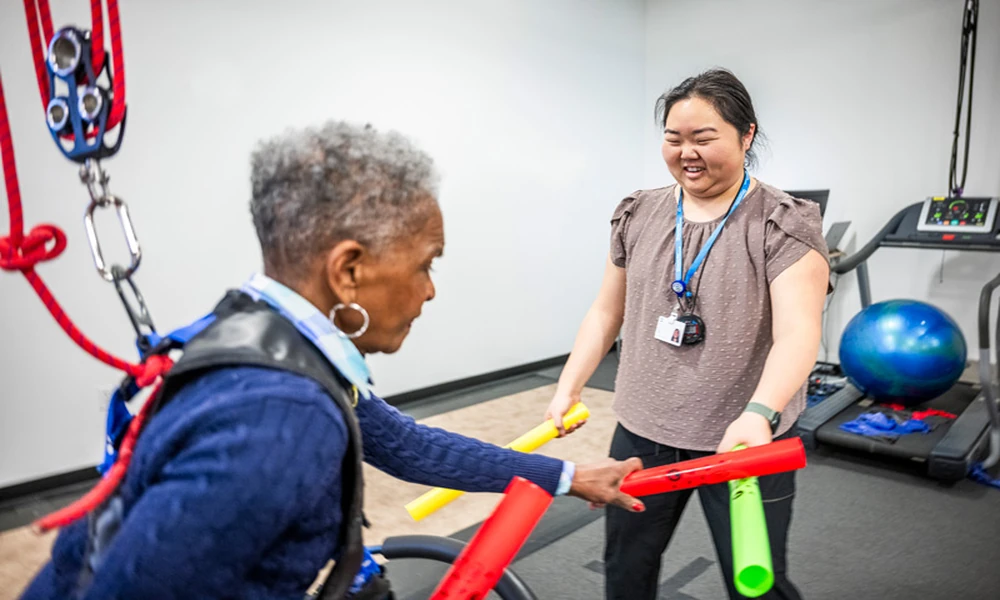

Aging in place is the process where elderly persons stay in their homes and still enjoy their independence. However, certain features of the house, including the stairs, slippery floors, poor lighting, and inaccessible storage, can become a source of danger for the elderly in the future. Occupational therapists are able to assess the problems and provide an individual solution for every case.
home occupational therapy can help with making aging in place safer through evaluation of dangers inside a house and customizing the living space to accommodate the person. It is not only about making a house safe but also about making activities such as showering, cooking, getting dressed, and navigating around the house easier for the person.
What Does a Home Safety Assessment Include?
Occupational therapists generally assess the way in which someone interacts with and moves around in his/her own home. This can involve an assessment of balance, mobility, strength, vision, coordination, and the performance of day-to-day tasks.
This includes observation of normal tasks, which could lead to an increased risk of injury or falls. Recommendations are made taking into account the current capacity of the individual and any possible future requirements.
Which Areas of the Home Need Attention?
| Area | Potential safety concern | Possible adaptation |
|---|---|---|
| Bathroom | Slippery surfaces and difficult transfers | Grab bars, shower seating |
| Kitchen | Reaching and bending | Accessible storage |
| Stairs | Falls and poor balance | Handrails and improved lighting |
| Bedroom | Difficult nighttime movement | Bedside lighting and clear pathways |
| Entryway | Steps or uneven surfaces | Handrails or ramps |
The right modifications will be determined by the individual and the design of the house.
How Can Bathrooms Be Made Safer?
There could be a number of issues in bathrooms because the presence of water makes the floor slippery while many tasks are done by standing, bending, or transferring.
An occupational therapist might suggest installing grab bars next to toilets or showers, a shower chair, hand-held showers, anti-slip measures, or fixture modification. These changes would allow for safer personal care procedures.
How Can Fall Risks Be Reduced?
Falls could happen due to hazards, poor lighting, loose carpets, uneven floors, or difficulties with navigating narrow spaces. The occupational therapist would be able to analyze how the person moves within the house and determine potential risks.
Simple modifications may include decluttering the house, securing carpets, enhancing lighting, rearranging furniture, and making pathways more spacious.
What Role Does Assistive Equipment Play?
It is possible to simplify the performance of tasks without making any major changes to the structure through the use of assistive equipment. This may involve reaching tools, raised toilet seats, transfer benches, special kitchen equipment, or mobility devices.
What matters is the appropriate choice and use of such equipment. An occupational therapist will be able to show how it operates and whether it is suitable for a particular individual.
Can Home Modifications Support Independence?
Certainly. In many cases, home modifications are aimed at helping people perform their daily activities more independently.
These changes may include lowering shelves that are used all the time, bringing closer the objects that are necessary, making room-to-room access easier, or reorganizing the furniture.
When Should an Occupational Therapist Be Consulted?
The need for assessment is indicated when an older person is having problems with ADLs, has fallen, started to use mobility aids, or has shown any changes in strength or balance.
Home-based OT can be useful even when no particular issues are noticed yet. Assessment can prevent future problems, allowing possible dangers to be dealt with while the individual is able to take an active part in the process of making modifications to his/her home.
Conclusion
Aging in place is most effective if the home environment allows for adaptation rather than presents obstacles. An occupational therapist can assess activities performed on a regular basis, pinpoint potential dangers, suggest adaptive devices, and make appropriate adaptations. Through proper modifications, an environment can be made conducive to aging in place.
How Can an Occupational Therapist Make Your Home Safer for Aging in Place?
