
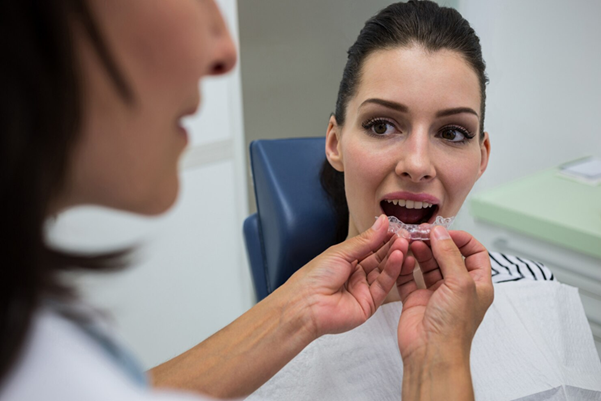

Modern orthodontics has advanced rapidly over the last two decades, offering patients more discreet, comfortable, and lifestyle-friendly solutions for straightening teeth. Among the most successful innovations is Invisalign, a clear aligner therapy designed to correct misalignment without metal brackets or wires. As awareness of orthodontic health grows, more individuals seek solutions that deliver effective results while still maintaining confidence in their appearance.
Many patients turn to an Invisalign dentist when they want to address dental issues without committing to traditional braces, particularly because the aligners are nearly invisible and easy to wear throughout daily activities.
Others consult a dentist in Lake Mary FL, to explore whether Invisalign can help correct their concerns, improve oral health, and enhance their smile using a customized treatment plan.
Overcrowded Teeth
Overcrowding occurs when the jaw lacks sufficient space to accommodate all teeth in proper alignment. This can cause teeth to overlap, twist, or bunch together. Overcrowding not only affects aesthetics but also increases the risk of plaque buildup, gum disease, and uneven wear.
Invisalign helps resolve overcrowding by:
- Gradually expanding the arch
- Aligning teeth into proper spacing
- Reducing areas where bacteria accumulate
- Improving the ease of brushing and flossing
With consistent wear, clear aligners reposition each tooth gently, promoting better long-term oral hygiene.
Gaps Between Teeth
Diastemas, or gaps between teeth, are a common concern for many individuals. These spaces may appear due to genetics, improper jaw development, or habits such as thumb-sucking. While gaps can affect one’s confidence, they can also increase food impaction risk, leading to gum irritation.
Invisalign effectively corrects gaps by:
- Applying controlled pressure to close spaces
- Guiding teeth toward a more uniform arrangement
- Improving bite function
- Enhancing overall smile harmony
Closing gaps not only improves appearance but also contributes to healthier tissue support around each tooth.
Overbite
An overbite occurs when the upper front teeth extend significantly over the lower teeth. While mild overbites are normal, severe cases can cause complications such as jaw discomfort, enamel wear, and speech difficulties.
Invisalign can treat overbites by:
- Gradually shifting the upper and lower teeth into correct alignment
- Reducing the depth of the bite
- Improving functional balance
- Minimizing long-term damage to teeth
Correcting an overbite enhances both oral health and facial aesthetics.
Underbite
In an underbite, the lower teeth protrude ahead of the upper teeth. Often caused by skeletal issues or tooth positioning, underbites can affect chewing efficiency, speech clarity, and jaw function.
Invisalign addresses underbites by:
- Moving the lower and upper teeth into better alignment
- Minimizing strain on the jaw
- Improving chewing and digestion
- Reducing uneven wear on molars
While severe skeletal underbites may require surgery, many mild to moderate cases respond very well to clear aligner therapy.
Crossbite
A crossbite happens when some of the upper teeth sit inside the lower teeth when biting down. This imbalance can cause tooth chipping, gum recession, and asymmetrical jaw growth if left untreated.
Invisalign can correct crossbites by:
- Repositioning individual teeth to ensure proper bite alignment
- Reducing the risk of premature tooth wear
- Preventing gum erosion caused by incorrect contact
- Promoting more balanced jaw function
Clear aligners offer a gentle yet effective approach to correcting this misalignment.
Open Bite
An open bite is characterized by a noticeable space between the upper and lower front teeth when the mouth is closed. This condition affects chewing, speech, and can contribute to tongue-thrusting habits.
Invisalign helps treat open bites by:
- Guiding teeth downward or upward into correct closure
- Improving chewing efficiency
- Resolving speech difficulties
- Creating a more harmonious bite
Correcting an open bite also enhances the symmetry of the smile.
Crooked or Misaligned Teeth
Crooked teeth are one of the most common reasons individuals seek orthodontic treatment. Misalignment affects both appearance and oral hygiene. Crooked teeth often trap plaque more easily and may lead to gum inflammation.
Invisalign straightens crooked teeth by:
- Applying precise pressure to reposition teeth
- Allowing gradual, controlled movement
- Reducing crowding and eliminating overlapping
- Improving access for cleaning
Straighter teeth promote better gum health and reduce the chances of cavities.
Bite Irregularities Affecting Jaw Comfort
Malocclusions can cause strain on the temporomandibular joint (TMJ). Patients may experience headaches, jaw clicking, facial discomfort, or tension due to bite issues.
Invisalign contributes to improved jaw comfort by:
- Aligning teeth so the bite distributes pressure evenly
- Reducing muscle tension
- Improving the natural resting position of the jaw
- Minimizing long-term TMJ complications
Aligners help support better function and comfort in daily activities.
Relapse After Previous Orthodontics
Many individuals who had braces in childhood or adolescence experience shifting later in life. Natural movement, lack of retainer use, or changes in jaw structure can cause teeth to drift out of alignment again.
Invisalign helps correct orthodontic relapse through:
- Customized aligners tailored to new alignment needs
- Subtle tooth adjustments without the need for metal braces
- Targeted correction focused on specific teeth that shifted
- Easier maintenance and retainer follow-up
It provides an excellent solution for adults wanting to restore their earlier orthodontic results.
Addressing Aesthetic Concerns Alongside Functional Issues
While Invisalign is highly effective for correcting functional concerns, it also significantly enhances aesthetics. Many patients choose clear aligners to improve symmetry, tooth positioning, and overall smile appearance without visible metal braces.
Invisalign helps improve:
- Smile width
- Tooth proportions
- Alignment of front teeth
- Overall harmony of the dental arch
This dual benefit, function and beauty, makes Invisalign ideal for adults and teens looking for a subtle solution.
How an Invisalign Provider Creates a Custom Plan
Invisalign treatment is tailored specifically to each patient’s needs. The process begins with a detailed examination involving scans, X-rays, and digital models that map the teeth’s precise positions.
The custom process typically includes:
- 3D scans to design each stage of tooth movement
- A personalized treatment roadmap
- Aligner sets that gradually guide teeth into alignment
- Periodic progress monitoring and refinements
Each aligner is worn for 1–2 weeks, ensuring smooth and predictable movement throughout the treatment.
Results and Long-Term Benefits of Invisalign Treatment
Beyond correcting alignment, Invisalign provides several long-lasting health benefits.
Key advantages include:
- Improved oral hygiene
- Reduced risk of gum disease
- Enhanced chewing and digestion
- Less strain on teeth and jaw
- More confidence in daily life
Straight teeth contribute to healthier gums, better bite function, and increased long-term stability.
Conclusion
Invisalign is a versatile and effective orthodontic solution capable of addressing a wide range of dental problems, from mild crowding to complex bite issues. Whether a patient struggles with crooked teeth, gaps, overbites, underbites, or orthodontic relapse, Invisalign offers a discreet and comfortable alternative to traditional braces. With personalized treatment plans, predictable results, and the ability to maintain daily lifestyle habits, clear aligners continue to transform smiles with precision and convenience.
