
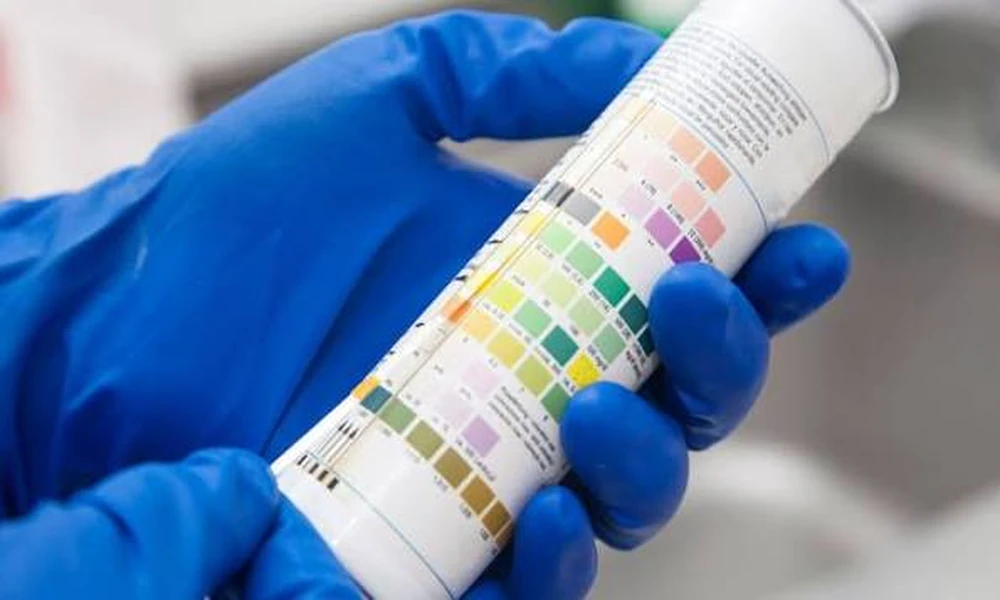

Urine samples are used for several health and testing purposes. Proper collection helps keep the sample suitable for its intended use. The urine testing information often focuses on collection, storage, timing, and handling because small mistakes can affect sample quality.
People searching for this topic usually want clear instructions. They may need to understand what type of container to use. They may also want to know what should happen after collection.
A simple process helps reduce confusion. Without clear steps, contamination, delays, or poor storage can create avoidable problems.
Start with Proper Collection
Good sample handling begins before collection. A clean container should be used for the intended testing purpose.
The container should remain closed until needed. Touching the inside can introduce unwanted material into the sample.
Keep Storage Conditions Consistent
Storage conditions can affect a urine sample over time. Heat, cold, sunlight, and long delays may change its condition.
CETPA describes urine and drug testing as part of its nursing services within its wider behavioural health care work.
Basic handling rules include:
- Use a clean container intended for urine collection.
- Wash hands before handling the collection container.
- Avoid touching the inside of the container.
- Close the lid firmly after collecting the sample.
- Keep the container upright during short-term transport.
- Protect the sample from direct sunlight during movement.
- Follow instructions supplied by the testing provider.
- Deliver the sample within the requested time period.
Follow A Clear Collection Process
A clear process reduces unnecessary handling. The sample should be collected according to the instructions given for its intended test.
Different tests can have different requirements. Some may need specific timing or preparation. That means general advice should not replace instructions from a qualified provider.
One practical difficulty is that people may remember only part of the instructions. Writing down important steps can prevent simple errors.
What Should Happen After Collection?
After collection, the main goal is to protect sample quality until testing. The urine testing informationcan help explain general handling practices, but specific instructions should come from the organization requesting the sample.
Time matters. Samples can change after collection because natural biological and chemical processes continue.
Keep Transport Simple and Controlled
Transportation should avoid unnecessary movement or exposure. A sealed container can help reduce leakage and outside contamination.
The sample should remain protected from extreme conditions. Direct heat or sunlight should be avoided unless specific instructions state otherwise.
One limitation is that travel time can be difficult to control. If a delay occurs, contacting the testing provider is safer than changing storage methods without guidance.
A Simple Handling Plan
A short process can make sample management easier. Each step should have a clear purpose.
- Read the collection instructions before starting the process.
- Prepare the correct container before collecting any sample.
- Collect the specimen according to provider instructions.
- Close and secure the container immediately after collection.
- Label the container when identification is required.
- Keep the sample in the instructed storage conditions.
- Transport it according to the stated time requirements.
- Report unexpected delays before making storage changes.
Review Handling Over Time
Good handling depends on repeatable steps. A consistent process makes it easier to notice where mistakes occur.
Reviewing the collection process can also show whether instructions are being followed correctly. If a problem happens repeatedly, the process may need clearer instructions or better preparation.
There is no need to make the process complicated. Clear preparation, careful collection, proper storage, and timely delivery cover the main areas.
Frequently Asked Questions
- What container should be used for urine collection? Use the clean container provided or recommended by the testing provider.
- Why should the container remain closed? Keeping it closed reduces contamination and helps prevent accidental leakage.
- Does storage temperature matter? Yes. Follow the storage instructions provided for the specific testing purpose.
- Can one storage method suit every urine test? No. Requirements can differ based on the type of testing being performed.
- What should happen if transport is delayed? Contact the testing provider before changing storage conditions or handling procedures.
- Why should the sample be delivered promptly? Timely delivery helps reduce changes that may occur after collection.
Keep Every Step Consistent
Proper sample handling is mainly about following the right process. Preparation reduces confusion before collection begins. Careful collection protects sample quality. Secure storage limits unnecessary changes. Timely transport keeps the process organised. The exact requirements should always come from the testing provider or collection instructions. General information can explain the process, but it should not replace specific professional directions. A consistent approach also makes mistakes easier to identify. Good sample awareness comes from following clear instructions every time rather than trying to correct problems afterward.
Improving Sample Awareness Through Detailed Urine Testing Information and Proper Handling Practices
