
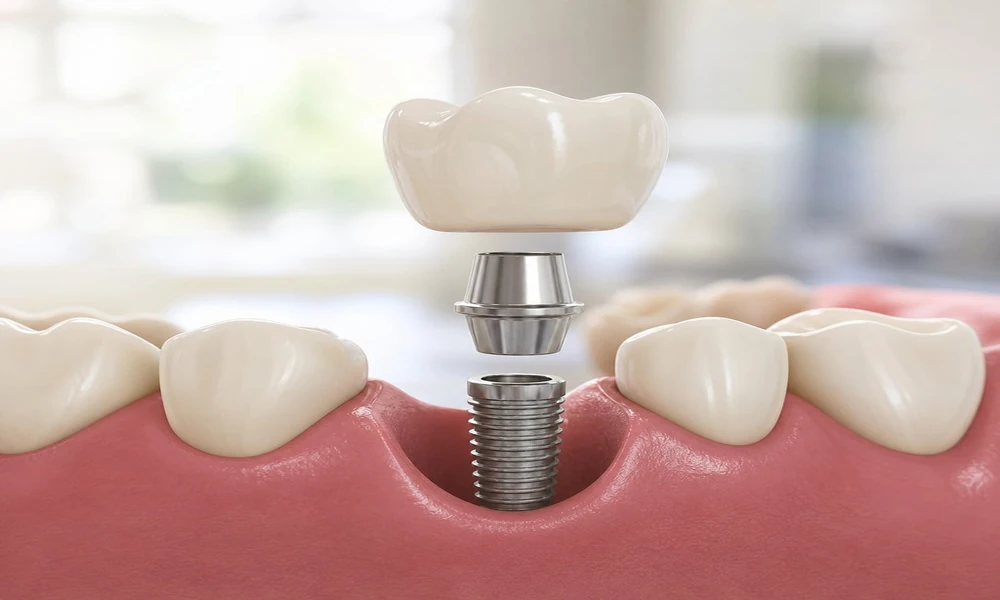

A missing tooth can do more than change how you look. It can change how you bite, how you talk, and how you feel in general. Many patients find that a tooth implant is a secure, natural option for replacing a missing tooth and helping them regain confidence in their smile and function.
How an Implant Works
An implant replaces the root of a missing tooth. A small post is placed in the jaw and allowed to bond to the bone during the healing process. After this, a special crown can be placed on top to resemble a real tooth.
Since it is fixed, an implant is not removable like a bridge, nor is it anchored by reshaping the teeth around it as a bridge does. That is why implants are a great option for people looking for a more fixed and natural looking replacement for their tooth.
Why You Need an Implant Evaluation
An evaluation is necessary before placing a tooth implant. Not everyone will be a candidate right away, but a detailed plan reduces the likelihood of failure or complications.
Dr. Schneiss at Lake Park Dental may consider a few things before recommending an implant, such as:
- The amount of healthy jawbone you have.
- The health of your gums.
- Where the tooth is missing in your mouth.
- How your bite functions.
- Your health history and healing capabilities.
- Whether you grind your teeth or smoke.
This evaluation will allow Dr. Schneiss and your dental team to determine whether an implant is the best treatment and if you have any conditions that should be treated first.
Understanding the Implant Process
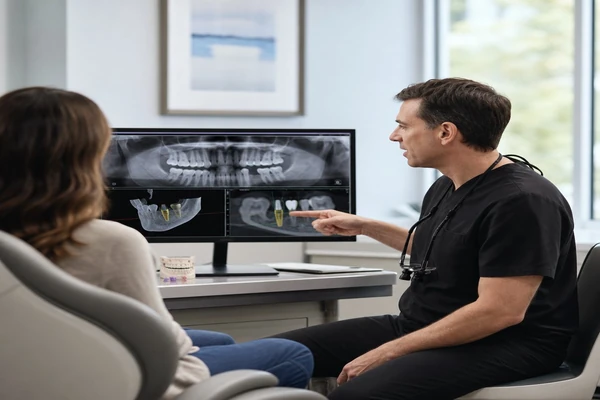
The dental implant process (click this link now) is multi-step. You will have images taken before and after the implant procedure to ensure it is placed in the right spot. After placement of the implant, the site will need to heal. This healing phase is important because it is when the implant will bond with the jawbone and function as a replacement root.
After healing is complete, the site is ready for the installation of an implant restoration. The replacement tooth is then designed to match the rest of your teeth.
Why Choose an Implant
Implant dentistry is a great option for the function and aesthetics of your mouth. While patients love the results and the way they look, an implant provides other benefits as well. These include:
- Restoring the ability to chew comfortably.
- Eliminating the visual gap of a missing tooth.
- Improving speech.
- Preserving natural teeth from shifting.
- Preserving the health of the jawbone.
- Providing a permanent, fixed replacement tooth.
With good home care and regular dental appointments, implants can serve as a long term solution to tooth loss.
Maintaining an Implant
Unlike natural teeth, implant crowns cannot get cavities. However, the tissues around the implant are still at risk of gum disease, which is explained well at nidcr.nih.gov, and will need good oral hygiene. You should still brush, floss, and see your dentist regularly.
You may also want to consider special cleaning tools that can reach the implant restoration. You may also require a nightguard if you grind your teeth at night to prevent damage to the implant.
Timing is also important for planning. Some patients may be able to start implant treatment immediately after having the tooth extracted; however, other patients must wait for their gums to heal. Dr. Schneiss at Lake Park Dental will let you know if you need a bone graft in order to support your future implant.
Another question that patients have is how you will be able to function while your implant is healing. If the missing tooth is in a visible area, you may have the option of replacing it with something temporary while the implant is being put in place.
During the planning phase, Dr. Schneiss at Lake Park Dental may also determine the ideal angle and depth of the implant. It is critical that your new dental implant allows room for your crown to mimic the look and function of a natural tooth and contact properly with your opposing teeth.
A guided procedure may be utilized to enhance precision while implanting your new crown, particularly if you are dealing with sensitive anatomy such as nerve canals, your sinuses or adjacent tooth roots.
Ready to Find Your Solution?
A tooth implant can be a wonderful way to replace a missing tooth, but the process and the implant must suit your needs. After you are evaluated and presented with a treatment plan, you will know if an implant is the best solution for you to achieve a comfortable, fully functional smile.
