
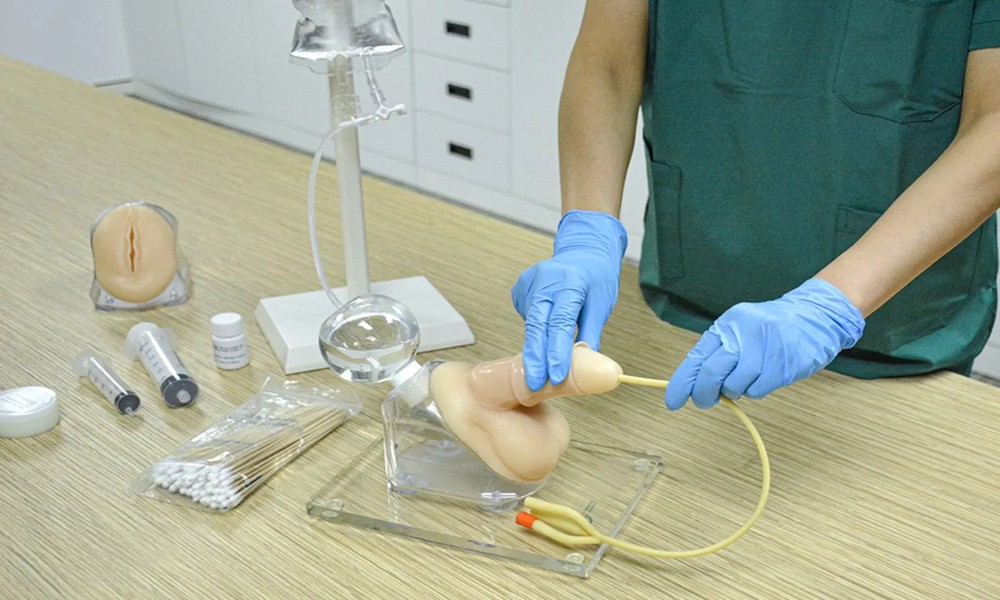

Strong practical learning helps learners build confidence before handling real tasks. Training methods that allow repeated practice can improve accuracy and understanding. Simulation-based activities provide a controlled setting where skills can be developed without pressure. These tools help users learn correct procedures while reducing mistakes during training sessions. Clear demonstrations support better knowledge retention and encourage active participation. Practice-focused resources also allow trainers to measure progress more effectively. When realistic materials are included, learning becomes more engaging and easier to understand. Proper preparation creates a stronger foundation for future responsibilities and routine assessments.
Building Practical Learning Skills
Practice sessions using simulation tools help learners understand procedures through repetition. Fake pee for drug test training models can support educational exercises when teaching sample handling methods. Repeated use improves familiarity with common steps while strengthening confidence before supervised assessments begin.
Creating Realistic Training Sessions
Realistic practice materials help learners connect theory with action. They support a better understanding of procedures while reducing uncertainty during training activities. Consistent exposure encourages improved preparation and stronger awareness of proper handling techniques.
Supporting Consistent Skill Development
Regular training opportunities help learners improve performance through structured repetition. Simulation tools encourage steady progress while allowing mistakes to become learning moments. This approach helps strengthen accuracy and supports dependable results during future assessments.
Encouraging Safe Practice Methods
Controlled learning environments provide opportunities to practice without unnecessary risks. Learners can focus on procedures while improving understanding through guided activities. Safe settings encourage participation and help build confidence before moving to supervised responsibilities.
Improving Knowledge Retention Rates
Repeated exposure to practical exercises supports stronger memory of important steps. Learners often remember procedures more effectively when they actively perform tasks. Hands-on activities create stronger connections between instruction and everyday application requirements.
Strengthening Classroom Engagement Levels
Active participation increases attention during lessons while improving understanding of important concepts today.
- Learners stay focused when practical exercises connect directly with routine training objectives and expected outcomes.
- Guided activities create stronger interest through participation while encouraging careful observation during every learning session.
- Repeated practice helps learners gain familiarity with procedures while supporting better confidence during assessments later.
Successful learning depends on useful practice resources that support understanding through active participation. Simulation-based activities provide opportunities to strengthen abilities while improving familiarity with required procedures. Learners gain greater assurance when they can repeat tasks within controlled settings. Trainers also benefit from clearer ways to monitor development and identify areas needing attention. Fake pee for drug testtraining models can assist demonstrations while supporting effective educational preparation activities.Educational programs that include realistic practice tools create improved preparation for future responsibilities. This approach offers a practical solution for developing competence while supporting meaningful growth.
FAQs
What are urine simulation kit practice tools?
They are training resources designed to help learners practice procedures safely while improving understanding through realistic exercises.
Why are simulation tools useful during training?
They support repeated practice opportunities that improve confidence, accuracy, knowledge retention, and preparation for assessments.
How do these tools improve learning outcomes?
They encourage participation, strengthen procedural understanding, support skill growth, and help learners perform tasks more effectively.
